The Menu Store: Secrets Behind the Film’s Sinister Dining
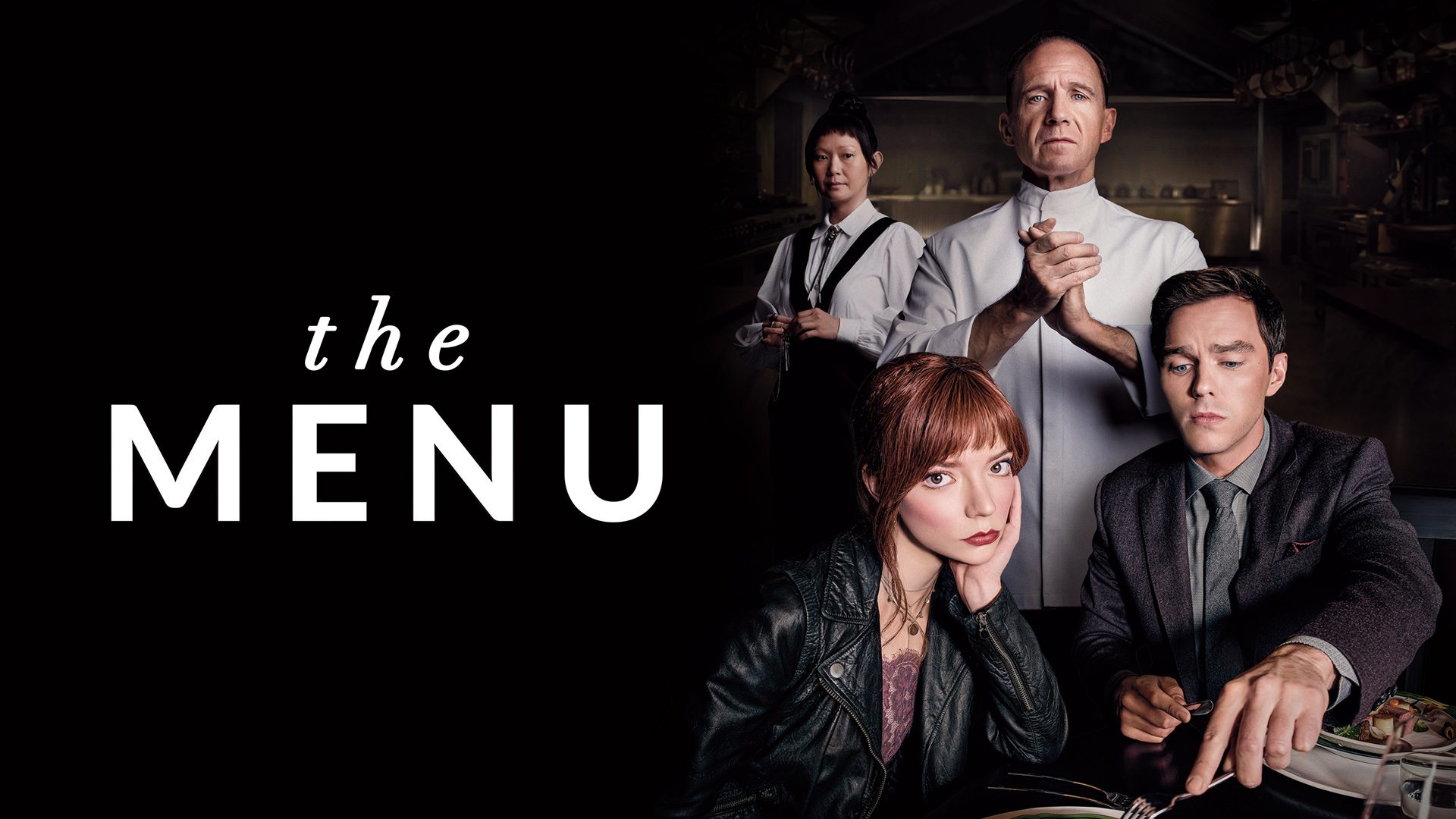
When the lights dim and the credits roll, most viewers are left with a lingering taste of dread that goes far beyond the typical thriller. The Menu Store captures that unsettling feeling, turning a seemingly elegant restaurant setting into a nightmarish stage where every course conceals a darker purpose. From the meticulously designed set pieces to the hidden symbolism in each dish, the film invites its audience to dissect the layers of terror hidden beneath polished silverware and pristine décor. Dive into the secrets behind this sinister dining experience and discover why the movie continues to haunt fans long after the final bite.
The Menu Store: A Culinary Labyrinth of Fear
The first thing that strikes viewers is the uncanny atmosphere that pervades The Menu Store. The restaurant’s interior is a blend of high‑end aesthetics and subtle, almost imperceptible oddities: crooked picture frames, mismatched silverware, and a faint, metallic scent that never quite belongs. These details create a disorienting sense of unease, making diners feel both privileged and threatened. The film’s director deliberately chose a single, claustrophobic location to amplify tension, forcing characters—and the audience—to confront each other’s secrets without the escape of an open kitchen or bustling dining room.
Lighting also plays a crucial role. Warm amber tones are interspersed with stark, cold spotlights that isolate every table. This contrast mirrors the duality of the establishment: a place of refined cuisine that doubles as a hunting ground for psychological manipulation. By keeping the camera close to the plates and the faces of the diners, the audience is compelled to focus on the subtleties—tiny tremors, fleeting glances, and the barely audible clink of cutlery that signals something far more sinister than a simple dinner party.
The Symbolism of the Dishes Served
Every course in The Menu Store carries a hidden narrative, turning the act of eating into a ritual of revelation. The opening appetizer—a perfectly seared scallop perched atop a bed of cracked ash—represents the fragile veneer of civility that shatters under pressure. As the meal progresses, the dishes become increasingly grotesque: a stew that bubbles with a dye that turns the broth an unsettling shade of violet, hinting at the blood that will later flow beneath the polished surface.
One of the most talked‑about moments is the dessert, a delicate soufflé that collapses the moment a fork pierces it. The visual metaphor is clear: the characters’ carefully constructed facades crumble when confronted with the truth. The chefs, who appear as both creators and executioners, use the plates to deliver messages, each ingredient selected to reflect a character’s hidden guilt or ambition. This culinary storytelling engages viewers on a sensory level, making the horror feel tangible and personal.
Behind the Set: Production Secrets and Design Choices
The production team behind The Menu Store spared no expense in crafting a believable yet otherworldly environment. Set designers consulted real‑world Michelin‑star restaurants to replicate authentic plating techniques, then intentionally introduced subtle inaccuracies—a spoon placed at an odd angle, a garnish that never quite matched the sauce—to create a subconscious sense of discomfort. These “design errors” are deliberately placed to keep the audience on edge, as they sense something is wrong without being able to pinpoint it.
Costume designers also contributed to the eerie atmosphere. The waitstaff wear crisp, monochrome uniforms with an anomalously tight collar, evoking a sense of restraint. Their movements are choreographed to be almost mechanical, reinforcing the feeling that the restaurant functions like a well‑oiled machine—an apparatus designed to serve a purpose far beyond serving food. Behind the scenes, the director encouraged actors to improvise small, unnerving gestures during dining scenes, adding layers of authenticity that editors later amplified in post‑production.
Audience Reactions and Cultural Impact
Since its release, The Menu Store has sparked intense discussion across social media platforms and film forums. Viewers frequently comment on how the movie’s intricate details reward repeated viewings, as each new watch uncovers a previously missed clue—a name etched on a napkin, a whispered phrase that foreshadows a later betrayal. Critics have praised the film for its ability to blend psychological thriller elements with horror tropes, creating a fresh take on the “dinner party gone wrong” subgenre.
The film has also inspired a wave of fan‑made content, from detailed breakdown videos that analyze each dish to immersive pop‑up dining experiences attempting to recreate the unsettling ambiance of the original set. These reactions highlight how The Menu Store transcended the screen, influencing both culinary art and horror storytelling. Its success demonstrates the power of meticulous world‑building and the lingering impact of horror that engages the senses beyond sight and sound.
In the end, what makes The Menu Store a standout piece of cinema is its ability to turn something as familiar as a dinner into a tableau of dread. By weaving together meticulous set design, symbolic cuisine, and compelling character dynamics, the film invites viewers to question what lies beneath the surface of every polished plate. Whether you’re a fan of psychological thrillers or simply someone who enjoys dissecting cinematic mysteries, the secrets behind this sinister dining experience promise a hauntingly satisfying journey—one bite at a time.